Buying a sunlight-readable industrial touch display? Learn why typical brightness nits matter more than peak numbers, and how optical bonding and custom design deliver readability you can rely on.
Why one number on a datasheet can cost you a project
If you have ever compared industrial touch displays, you have seen the headline figure: “1500 nits!” It looks impressive, and it is often the first thing a buyer notices. But in real deployments, that figure rarely tells you what your operators or customers will actually see.
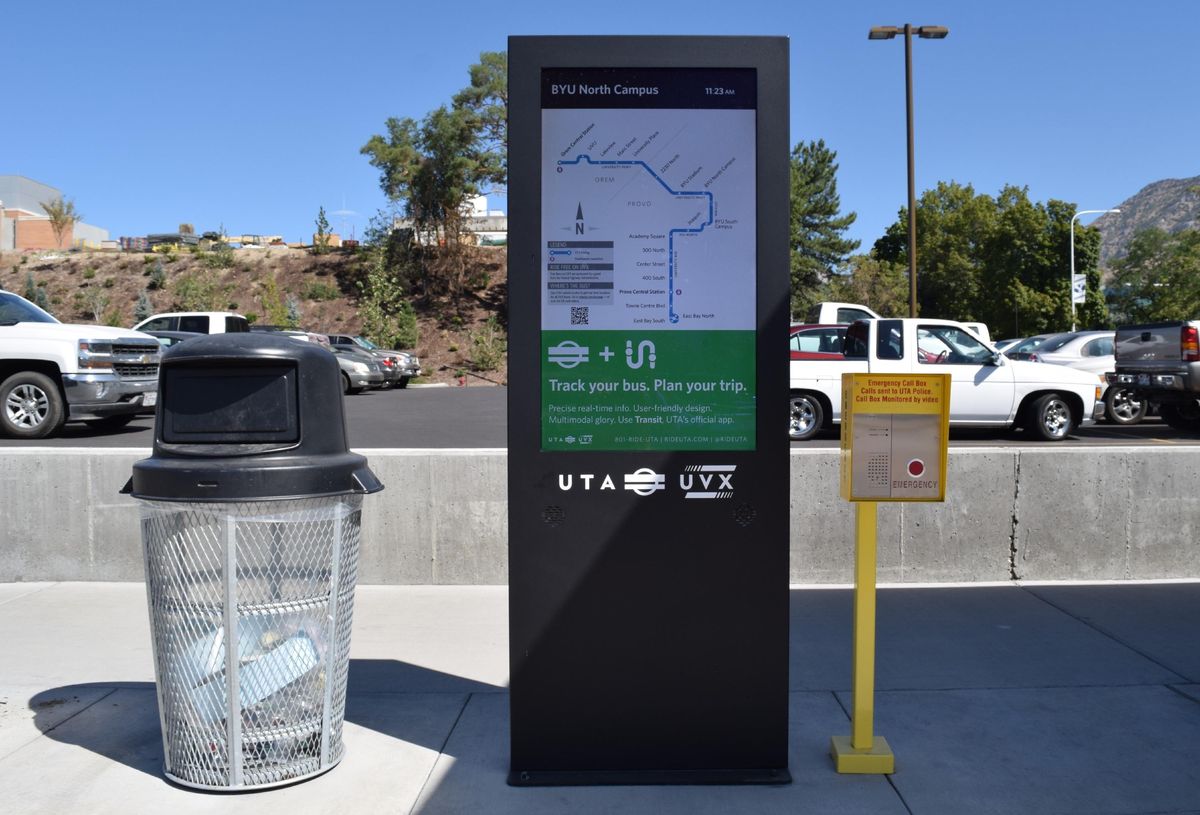
At goldenmargins, we encourage every buyer to start with one question: what are the typical brightness nits of the finished product? The answer separates a display that merely looks good in a brochure from one that stays readable on a factory floor, a transit platform, or an outdoor kiosk.
Peak brightness vs. typical brightness nits
A nit is one candela per square meter (cd/m²), the standard unit for display luminance. The difference between the two figures is where confusion begins:
- Peak brightnessis the highest value a panel can reach, often only briefly, under ideal conditions, or in a specific mode such as a small white window.
- Typical brightness nitsdescribes the luminance a unit normally delivers in standard operating conditions. It is the number you should plan around, because it reflects what your product will do day after day.
A reasonable rule: use peak numbers only as a marketing reference, and use typical brightness nits as your engineering specification. If a supplier cannot tell you the typical value, or will not commit to it in writing, treat that as a warning sign.
Five questions to ask before you trust any brightness claim
- Is the figure measured on the bare LCD panel or the finished touch display?
Many datasheets quote the open-cell panel. Once you add cover glass, a touch sensor, and filters, the light reaching the viewer drops. Some suppliers do publish both values; the finished unit is lower than the bare panel. Always ask for typical brightness nits at the finished-product level. - How is “typical” defined?
Ask for the measurement point (center or multi-point average), the test conditions, and the allowed tolerance. A typical value with a clear method is far more useful than a bigger number with none. - What happens to brightness over time and temperature?
Backlights degrade, and heat shifts output. For 24/7 equipment, the typical brightness nits at the start of life are only part of the story. Ask about lifetime and thermal design too. - How much of that light is usable in sunlight?
Brightness alone does not guarantee readability. Ambient light bouncing off the surface and off internal glass layers washes out contrast. This is why readability depends on both luminance and reflection control. - Can the supplier tune the spec to your use case?
A display for a dim control room and one for an outdoor terminal need different targets. Good suppliers help you set the right typical brightness nits rather than selling you the biggest number.
Why optical bonding changes the equation
Raising backlight power is not the only way to improve readability, and it is not always the best way. Higher power means more heat, more energy use, and a shorter component life. Often the smarter move is to stop wasting the light you already have.
This is where optical bonding comes in. goldenmargins uses a LOCA (Liquid Optical Clear Adhesive) process to remove the air gap between the LCD and the cover glass. On our optical bonding page, we explain the physics: an air gap creates a refractive-index mismatch, and each glass-to-air interface reflects roughly 4% of incoming light, adding up to about 8% internal reflection that washes out contrast. Filling the gap with index-matched silicone LOCA brings internal reflections down to under 0.2%.
The practical result is that the same typical brightness nits look noticeably sharper outdoors, with deeper blacks and better color saturation. The benefits go beyond optics:
- No internal fogging:with the air gap eliminated, condensation cannot form inside the stack.
- Better shock and vibration tolerance:the cured silicone acts as a cushion for the LCD.
- Improved heat transfer:LOCA conducts heat better than air, helping the display shed heat through the front glass.
- Long-term clarity:silicone-based LOCA is chosen for stability against yellowing, delamination, and bubbles under UV and temperature swings.
Our process is an eight-stage workflow, from incoming inspection of the touch panel and LCD module, through edge sealing, sealant injection, and thermal curing, to final optical QC. The aim is simple: the display approved in the lab should be the one that performs in the field.
Brightness is a system decision, not a single component
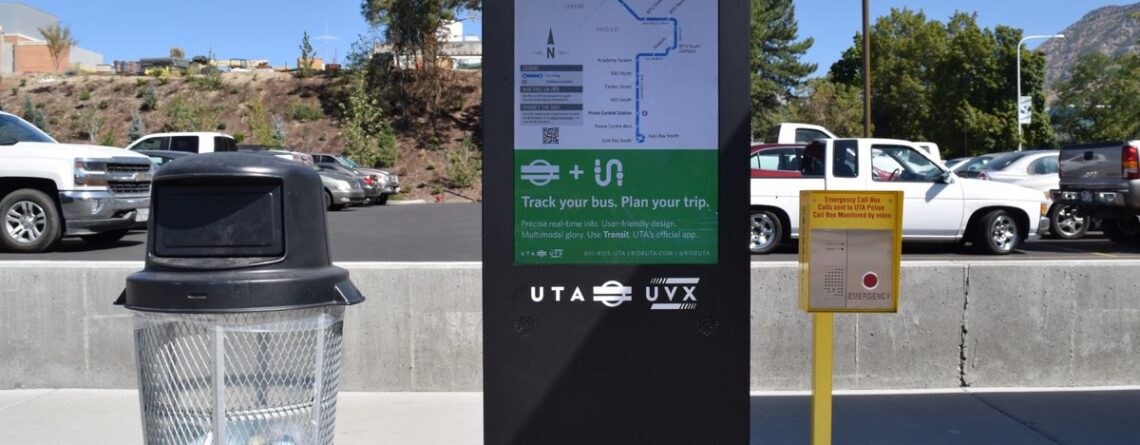
Because typical brightness nits are affected by the cover glass, touch sensor, surface treatment, bonding, and backlight design together, they should be specified at the system level. goldenmargins supports this with a one-stop path from PCAP tuning and panel sourcing to assembly, along with OEM/ODM options for brightness targets, cover glass, enclosure cutouts, and signal layout. Our engineers can support projects from 5″ to 86″, and our products serve automation, medical, transportation, retail, and industrial equipment applications, including industrial touch monitors, panel PCs, and high-brightness bar-type displays for signage and transit.
A practical checklist for your next RFQ
When you request quotes, put this in writing:
- Required typical brightness nitsfor the finished touch display, not the bare panel.
- Measurement method and tolerance for the typical value.
- Ambient environment: indoor, semi-outdoor, direct sunlight.
- Surface needs: anti-glare, anti-reflective, or anti-fingerprint.
- Optical bonding requirement and touch performance, such as PCAP with glove or wet-finger operation.
- Operating temperature range, sealing level, and expected lifetime.
- Mounting, I/O, and any enclosure customization.
A supplier who answers each item clearly, starting with typical brightness nits, is much more likely to deliver a stable program from prototype to volume production.
Talk to goldenmargins about your brightness target
Whether you are specifying a new outdoor kiosk, upgrading an HMI that is hard to read under strong light, or comparing offers that all promise “high brightness,” we are happy to help you translate datasheet claims into a real-world specification.
Send us your application, target size, ambient conditions, and your required typical brightness nits. Our engineers will recommend the right panel, bonding, and touch configuration, and provide a technical datasheet and quote.
Email: sales@goldenmargins.com
Website: www.goldenmargins.com
Don’t let a peak number decide your project. Ask for typical brightness nits first, and choose a partner who is willing to stand behind it.