Bar-type displays, commonly called ultra-wide or stretched displays, are innovative Liquid Crystal Display (LCD) products. Manufacturers design these Bar-type displays specifically to fit narrow or unusually shaped spaces. Traditional monitors often cannot be used in these areas. This report offers a professional analysis of Bar-type displays. It examines their technical features, key optical enhancements, and unique commercial value. We also analyze the best application scenarios for these specialized Bar-type displays in digital signage, transportation, and industrial control.
I. Key Findings and Report Summary
Bar-type displays use their unique, wide, and narrow shape to change how users show information in limited spaces. Importantly, these Bar-type displays are not simple replacements for traditional screens. They serve as high-value solutions for specific, linear information flows and tight spatial constraints.
First, consider the technology. Bar-type displays perform exceptionally well because of a “dual technology guarantee.” These screens need high brightness—often 2,500 nits or more—to work in harsh environments like outdoors or public transport. Furthermore, advanced optical enhancements, such as optical bonding and anti-glare (AG) or anti-reflective (AR) coatings, combine with high brightness in Bar-type displays. This combination ensures high performance and superior durability for these units.
Second, from a market perspective, Bar-type displays offer major strategic value. They break through the limits of “space economics.” They transform previously wasted or underutilized areas into high-value digital media assets. The growing demand for digital signage in retail and transportation drives rapid market expansion for Bar-type displays. Experts project a Compound Annual Growth Rate (CAGR) of about 15% from 2025 to 2033. The market size for Bar-type displays should reach an estimated $500 million by 2025. This strong growth confirms the solid position of Bar-type displays in high-value niche markets.
1.1 Technical Definition and Market Necessity
1.1.1 Precise Definition and Form Factor
A Bar-type display is a Thin-Film Transistor Liquid Crystal Display (TFT-LCD). Its core feature is its unique long and narrow shape or form factor. Unlike standard 16:9 rectangular monitors, Bar-type displays feature aspect ratios much wider than traditional screens. They aim to provide a panoramic or extended visual output. Common non-standard aspect ratios for Bar-type displays include 16:3, 16:1.31, or even wider configurations. This design makes these Bar-type displays perfect for applications requiring wide, narrow visuals. They are also ideal for showing dynamic, continuous information in physically constrained environments.
1.1.2 Market Drivers: Solving Space and Information Challenges
The demand for Bar-type displays comes from two main pain points. Traditional display technology cannot effectively solve these issues:
Physical Limitations and Space Monetization: Areas like retail shelving, transit carriages, or building headers are often height-restricted. People typically view them as “unusable” space. Bar-type displays fit into these narrow areas. They maximize the use of limited physical space. This deployment ability turns non-display areas into highly visible digital signage media. This effectively monetizes space resources. This is a primary business reason clients invest in Bar-type displays.
Information Efficiency and Linear Presentation: Certain types of information work best when presented in a linear, sequential flow. Examples include scrolling news, train schedules, stock tickers, or surveillance timelines. The shape of Bar-type displays naturally matches the linear flow of information. It provides a more efficient and intuitive way to communicate compared to a traditional rectangular screen. Clients buy these Bar-type displays not to replace 16:9 screens, but to gain new, differentiated points for advertising or information release.
Therefore, the core value of Bar-type displays lies in their irreplaceability. They meet digital needs in specific shapes and environments. This forms the basis for the rapid market growth of Bar-type displays.
II. Unique Features and Technical Details of Bar-type Displays
Bar-type displays handle harsh commercial and industrial environments well. This success relies on several advanced features, including its form factor, optical performance, and ruggedness.
2.1 Form Factor, Customization, and Space Efficiency in Bar-type Displays
2.1.1 Non-Standard Aspect Ratios and High Resolution
The ability to customize is a key advantage of the Bar-type display. It allows designers to choose sizes and ratios based on specific physical space needs. Many Bar-type displays result from precisely “cutting” larger, high-resolution TFT panels. This manufacturing technique helps the Bar-type display keep the original panel’s full pixel width. Therefore, they achieve non-standard, high-density resolutions. For instance, a 49.5-inch Bar-type display model offers 3840 × 1080 resolution. These non-standard aspect ratios offer panoramic visuals and maximize space utilization for Bar-type displays.
2.1.2 Flexible Mounting and Wide-Viewing Angle Technology
Bar-type displays offer flexible installation. Users can mount these Bar-type displays in both landscape and portrait orientations. They often use In-Plane Switching (IPS) wide-view technology. IPS technology in Bar-type displays provides wide viewing angles. This means the image contrast and color will not distort significantly in these Bar-type displays, regardless of the user’s viewing angle.
2.1.3 Optimized Space Utilization
The narrow shape makes Bar-type displays an excellent solution for maximizing the use of limited physical spaces. The highly space-efficient design of Bar-type displays allows areas that traditional rectangular displays cannot occupy to become effective digital advertising points. These Bar-type displays are ideal for narrow signage areas.
2.2 Core Display Performance: High Brightness and Clarity of Bar-type Displays
2.2.1 Industrial-Grade High Brightness Requirements
Bar-type displays are frequently used in digital signage, especially in outdoor settings. High brightness is a mandatory specification for these Bar-type displays. Industrial-grade Bar-type displays typically feature high brightness. Professional models of Bar-type displays for outdoor use achieve 1000 nits to 2500 nits or more. This brightness ensures excellent readability for Bar-type displays, even in direct sunlight.
2.2.2 High Resolution Ensures Picture Detail
Bar-type displays support high-definition resolutions despite their unique shape. This high resolution in Bar-type displays ensures that the long, narrow display area presents clear, detailed images and text. This is especially important for Bar-type displays showing intricate Graphical User Interfaces (GUI) or complex dynamic advertisements.
2.3 Optical Enhancement Technology in Bar-type Displays: Tackling Outdoor Challenges
Integrated optical enhancement technology primarily ensures the long-term reliability and visual performance of Bar-type displays in high-intensity environments.
2.3.1 Optical Bonding Technology
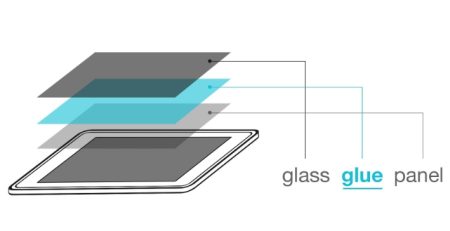
Optical bonding is a critical process for high-performance Bar-type displays. It fills the air gap between the LCD module and the cover glass in Bar-type displays.
Optical bonding offers multiple structural and functional advantages for Bar-type displays:
Improves Contrast and Outdoor Visibility: This is optical bonding’s main benefit for Bar-type displays. Eliminating the air gap minimizes internal surface reflections, significantly improving readability for outdoor Bar-type displays.
Environmental Protection and Durability: Removing the air gap in Bar-type displays prevents moisture and dust from condensing inside the panel. Furthermore, the bonding resin in Bar-type displays acts as a shock-absorbing material, boosting the screen’s resistance to impact.
Optimized Thermal Management: The optical bonding material in Bar-type displays acts as a thermal conductor. This system-level optimization helps reduce the internal operating temperature of Bar-type displays, ensuring long-term reliability.
2.3.2 Anti-Glare (AG) and Anti-Reflective (AR) Glass in Bar-type Displays
Ambient light reflection is another major challenge for outdoor Bar-type displays. AG and AR glass solve this issue for Bar-type displays:
Anti-Glare (AG): AG glass features a microscopically rough texture on Bar-type displays. This texture effectively diffuses incoming light on Bar-type displays, reducing reflective glare.
Anti-Reflective (AR): AR coating on Bar-type displays applies multiple optical layers. It maximizes light transmission, eliminating mirror-like reflections on Bar-type displays. AR coating provides enhanced clarity for Bar-type displays in strong light environments.
Professional Bar-type display solutions often suggest combining the two coatings for optimal performance of the Bar-type display.
Comparison of Bar-type Displays and Traditional Displays
Bar-type displays and traditional displays differ significantly. Regarding typical aspect ratios, Bar-type displays feature extremely wide ratios, such as 16:3 or 32:9. Conversely, traditional displays use standard ratios. Bar-type displays offer unique value; they adapt to linear content flow. In terms of space utilization, Bar-type displays optimize use in narrow areas. For typical brightness, Bar-type displays usually range from 400 nits to 2500 nits or higher. The high brightness of Bar-type displays ensures information readability outdoors. Finally, concerning optical bonding integration, Bar-type displays often include optical bonding for industrial applications.
III. Optimal Application Scenarios and Commercial Value of Bar-type Displays
The unique design and strong environmental adaptability of Bar-type displays give them an irreplaceable advantage in specific vertical markets. These applications share common characteristics where Bar-type displays excel.
3.1 Retail and Commercial Digital Signage: Driving Sales and Optimizing Space with Bar-type Displays
3.1.1 Digital Transformation at the Shelf Edge
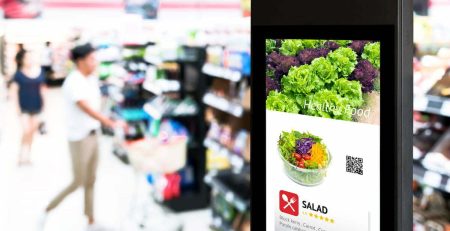
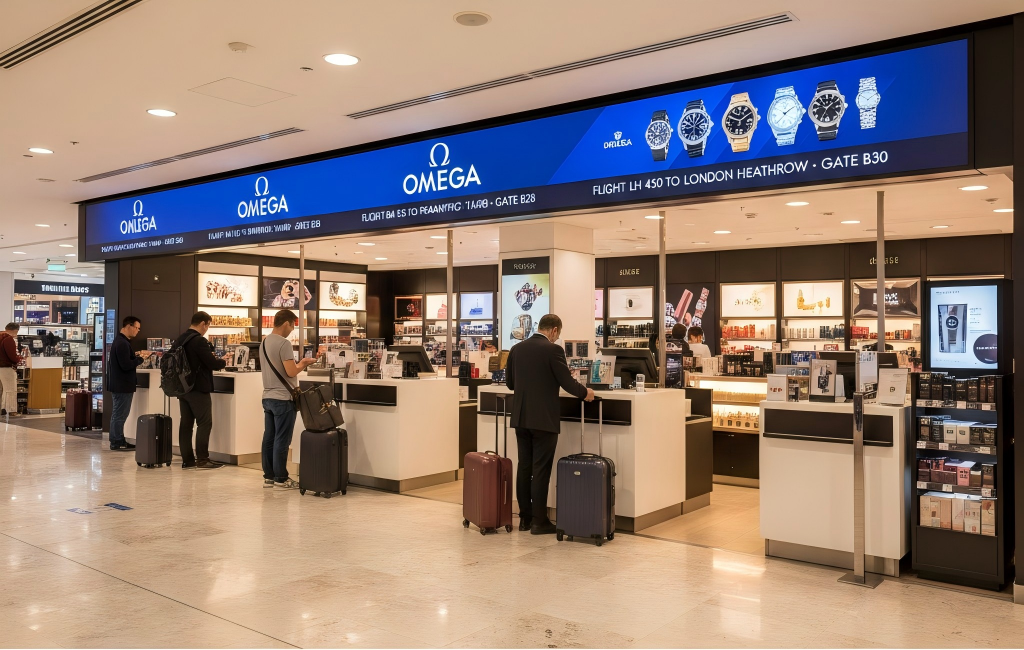
The retail environment is one of the fastest-growing application areas for Bar-type displays. The display’s narrow shape makes these Bar-type displays perfect for digitalizing the shelf edge. It seamlessly integrates Bar-type displays into traditional retail shelving systems.
Commercial Value:
Bar-type displays show dynamic price tags and promotional videos. This digital deployment using Bar-type displays consistently boosts sales. The high efficiency in space use of Bar-type displays is its core value.
3.1.2 Dynamic Pricing and Enhanced User Experience
In the hotel and catering industries, Bar-type displays serve as digital menu boards. They use crystal-clear visuals to enhance menu appeal on Bar-type displays. They also enable dynamic pricing on Bar-type displays, allowing real-time price adjustments.
Moreover, the unique shape of Bar-type displays strongly captures attention. This novel aesthetic appeal of the Bar-type display helps them stand out in crowded retail environments.
3.2 Urban Transportation and Public Information: Efficient Linear Information Delivery via Bar-type Displays
In transportation, Bar-type displays solve the strict requirements for information display and the challenge of linear layouts.
3.2.1 Linear Presentation of Transportation Information
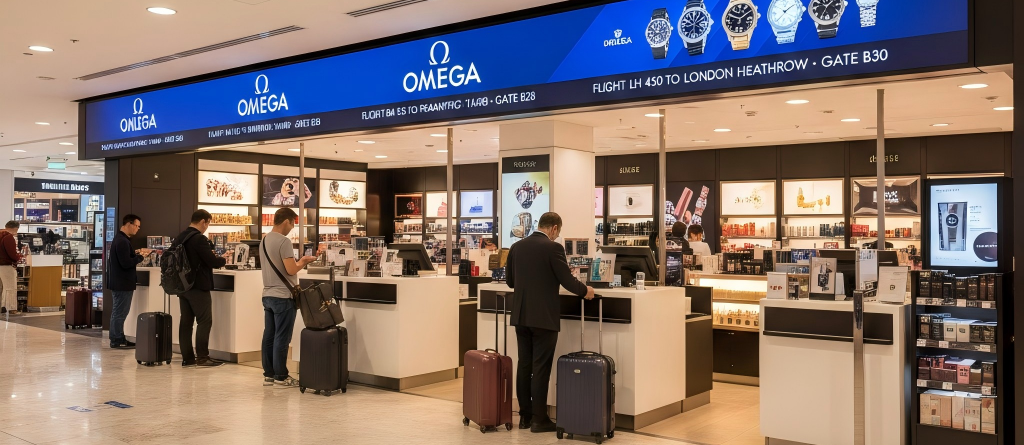
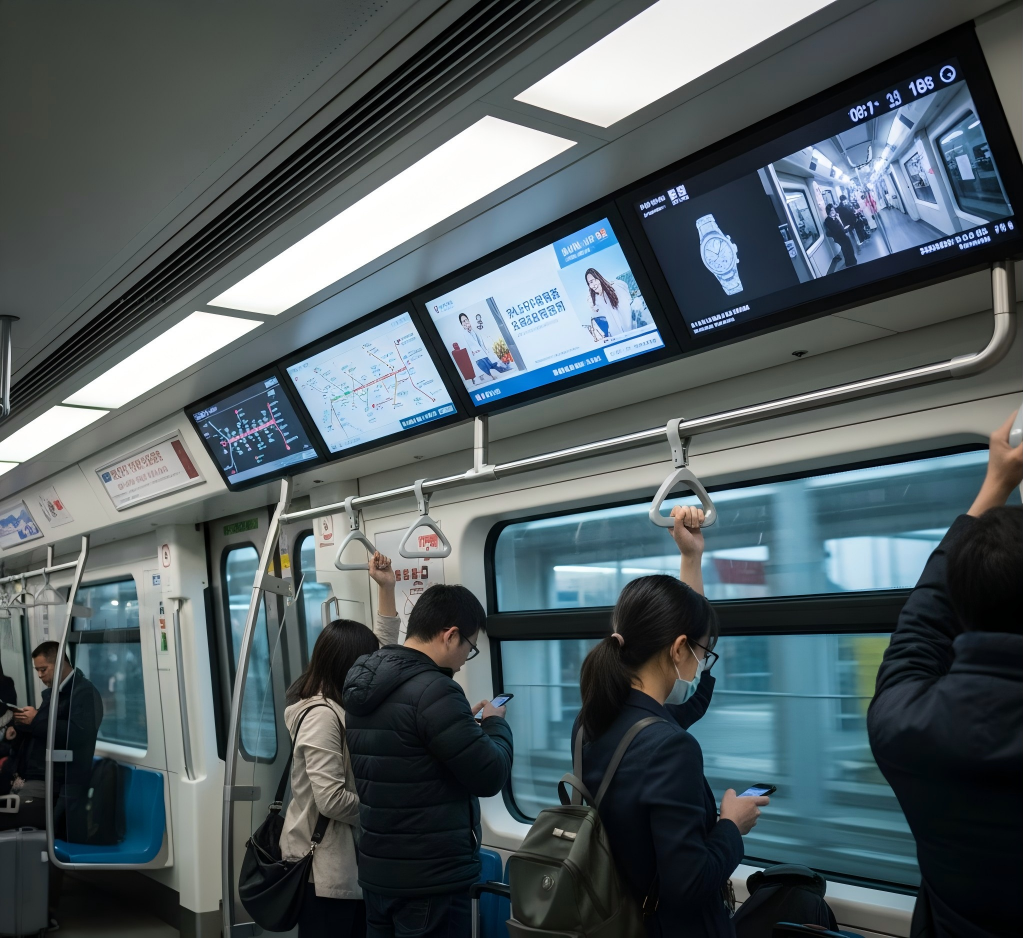
Airports, train stations, and subways widely use Bar-type displays. They show real-time schedules on these Bar-type displays. The display shape of Bar-type displays naturally matches the linear flow of time.
Information Efficiency: The Bar-type display shape shows a large amount of information clearly and concisely in a linear flow. This offers better information transfer efficiency with Bar-type displays. Passengers easily access key information from Bar-type displays.
3.2.2 Meeting Strict Outdoor Deployment Demands
The transportation environment requires extremely high environmental resistance from Bar-type displays. These Bar-type displays must integrate high-brightness panels and weather resistance. These applications rely heavily on optical bonding technology in Bar-type displays.
3.3 Industrial Control and Vehicle Displays: Immersive Multitasking with Bar-type Displays
3.3.1 Professional Control Rooms and Monitoring Walls
Ultra-wide Bar-type displays offer significant operational advantages in professional settings. These Bar-type displays provide a wide, panoramic view. They support dividing the screen into multiple side-by-side windows on these Bar-type displays.
Immersive Experience and Efficiency Boost: This ultra-wide design of Bar-type displays reduces visual distraction. It creates a more coherent and immersive environment with Bar-type displays for multitasking.
3.3.2 Automotive Applications and Human-Machine Interface (HMI)
Bar-type displays quickly became standard in modern car dashboards. Automotive-grade Bar-type displays must meet strict reliability requirements. These include high resolution and operation within wide temperature ranges for Bar-type displays.
Bar-type Display Applications and Technical Match in Key Vertical Markets
Bar-type displays show strong technical matches across key vertical markets.
- Retail/Hospitality:
Key Applications: Shelf-edge advertising using Bar-type displays, digital menu boards using Bar-type displays.
Technical Match of Bar-type displays: High space efficiency and eye-catching form factor. - Transportation:
Key Applications: Platform schedules on Bar-type displays, announcement boards using Bar-type displays.
Technical Match of Bar-type displays: Capable of sequential display of linear information, high brightness. - Industrial/Professional Control:
Key Applications: Multi-source monitoring walls using Bar-type displays.
Technical Match of Bar-type displays: Achieves immersive views through ultra-wide aspect ratio.
Bar-type displays drive the digital signage market. They move it from a passive display medium toward active, interactive “smart edge devices.” For example, many high-performance Bar-type displays integrate optical bonding and high brightness. This functional upgrade is central to the increased commercial value of Bar-type displays.
IV. Market Analysis, Challenges, and Future Outlook for Bar-type Displays
4.1 Industry Growth Forecast and Key Drivers for Bar-type Displays
The digital signage Bar-type display market grows rapidly. Industry reports estimate the market’s Compound Annual Growth Rate (CAGR) for Bar-type displays at about 15%.
Market growth drivers for Bar-type displays include:
Technology Advancement: The demand for higher resolution drives the adoption of 4K Bar-type displays.
Interactive Features: Integrating interactive features increases the appeal of Bar-type displays.
Cloud Content Management: Using cloud-based CMS simplifies management for Bar-type displays.
4.2 Deployment Challenges and Content Adaptability for Bar-type Displays
Despite the positive market outlook, deploying Bar-type displays faces challenges.
4.2.1 Content Creation Specifics
The non-standard aspect ratio of Bar-type displays presents a major technical challenge. Content creators must specifically design content for these unique Bar-type displays. If every Bar-type display project requires customized content, high design costs will limit adoption.
4.2.2 Supply Chain and Software Compatibility
Bar-type display panels often involve customized panel cutting. This can lead to higher production costs for Bar-type displays. Furthermore, system integrators must ensure that Content Management Systems handle the non-standard resolutions of Bar-type displays effectively.
Current analysis suggests that the long-term success of Bar-type displays depends on standardizing the software ecosystem for these devices.
4.3 Technical Development Direction and Potential Innovation for Bar-type Displays
Future technological innovation for Bar-type displays will focus on enhancing performance and intelligence.
MicroLED/MiniLED Technology Integration: As technology matures, Bar-type displays may integrate these technologies for higher contrast and greater brightness.
Flexible and Curved Design: Advances will allow Bar-type displays to adapt to more complex curved installation environments.
Sensor Fusion and Contextual Awareness: Bar-type displays will further integrate with environmental sensors and IoT modules, making these Bar-type displays truly intelligent information terminals.
V. Conclusion
The Bar-type display is a highly specialized and targeted display solution. Its value lies in solving fundamental problems regarding physical space and information flow adaptation. The successful business model of Bar-type displays relies on irreplaceability.
Functionally, Bar-type displays use non-standard ultra-wide aspect ratios and industrial-grade high brightness. Furthermore, advanced optical enhancement technologies guarantee excellent performance for Bar-type displays outdoors.
The most suitable application scenarios for Bar-type displays focus on areas demanding extreme space efficiency. These include dynamic digital signage at retail shelf edges using Bar-type displays and information boards in urban transportation systems using Bar-type displays. These applications prove the Bar-type display’s ability to turn idle space into high-value digital media assets.
Future development for Bar-type displays will focus on overcoming the challenge of the immature software ecosystem. By promoting standardization, the industry will combine the customized advantage of Bar-type display hardware with software universality, unlocking significant growth potential for Bar-type displays.
We hope you found these touchscreen or panel PC fundamentals informative. Goldenmargins offers a broad selection of Industrial Touchscreen Monitors and Touch Panel PCs in various sizes and configurations, including medical-grade touch screens, sunlight-readable touch screens, open-frame touch screens, and waterproof touch panels, as well as other unique touchscreen or panel PC designs. You can learn more about our services here or by calling us at +86 755 23191996 or sales@goldenmargins.com.